Learning Deflected Double Weave: A Beginner's Guide

Last November, I had a very exciting time on a weekly training course at a well-known school of weaving. I wanted to reproduce one of the patterns which looked very complicated: the Deflected Double Weave. Even the title sounds complicated!
This technique creates beautiful, intricate patterns by deflecting two separate cloth layers into each other, producing designs that look far more complex than the simple 4-shaft threading might suggest.
Getting Help with Warping
I also attend a weekly weaving class and asked my teacher to help me with the warping, as this was not part of the week's training at the weaving school. As I've shared in my weaving journey, having a good teacher makes such a difference when learning new techniques.
Calculating Ends Per Inch (EPI)
First, I measured 1 inch on two cards to find out how many ends are in 1 inch. This is crucial for planning any weaving project.
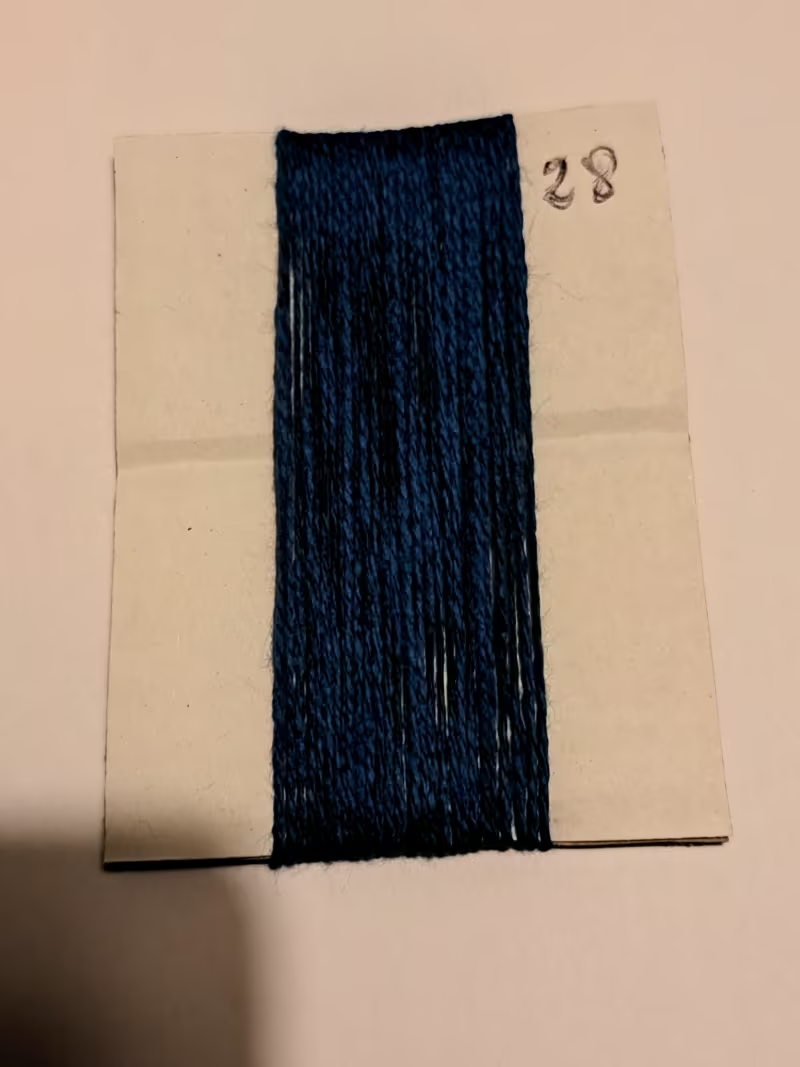
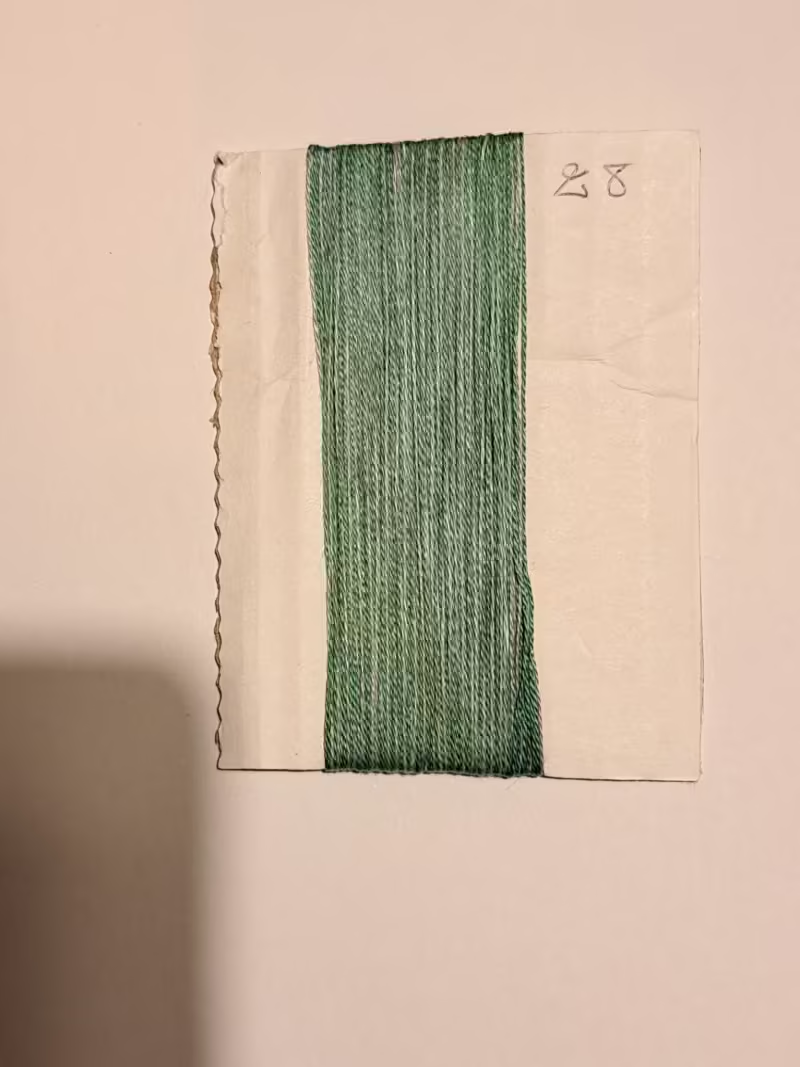
I wrapped the yarn I chose around the cards and both colours, blue and green, have 28 ends per inch (EPI).
Adjusting Yarn Thickness
I found that the green yarn was much too thin to match with the blue yarn, so I tripled it and added a grey yarn to it. This created a better balance between the two colours.
Calculating the Warp
If 28 ends are in 1 inch and I want a 10-inch scarf, I need 280 ends, which is 140 ends of each colour. My teacher suggested that the warping should be 6 blue and 4 green, as the green is now thicker than the blue since I have tripled the green and added a grey thread.
Threading on 4 Shafts
The threading is only on 4 shafts, making this an accessible pattern for weavers with a standard table loom:
- Shafts 1-2: Blue yarn
- Shafts 3-4: Green yarn
After I put the yarn through the heddles and the reed on the loom, similar to the process I use for other weaving projects, I prepared to weave with the blue yarn first.
The Pick-Up Stick Technique
This is where Deflected Double Weave gets interesting. The pick-up stick creates the pattern deflection:
Preparing to weave with blue:
- Lift shafts 3 and 4
- Push the pick-up stick behind the reed, alternating every other inch to make the pattern
- Close the shafts
Weaving sequence with blue:
- Lift shaft 1 - weave
- Lift shaft 2 - weave
- Repeat 10 times, alternating blue and green
Preparing to weave with green:
- Lift shafts 1 and 2
- Put the pick-up stick behind the reed, alternating every other inch
- Close the shafts
Weaving sequence with green:
- Lift shaft 3 - weave
- Lift shaft 4 - weave
- Repeat
Starting My Own Deflected Double Weave Project
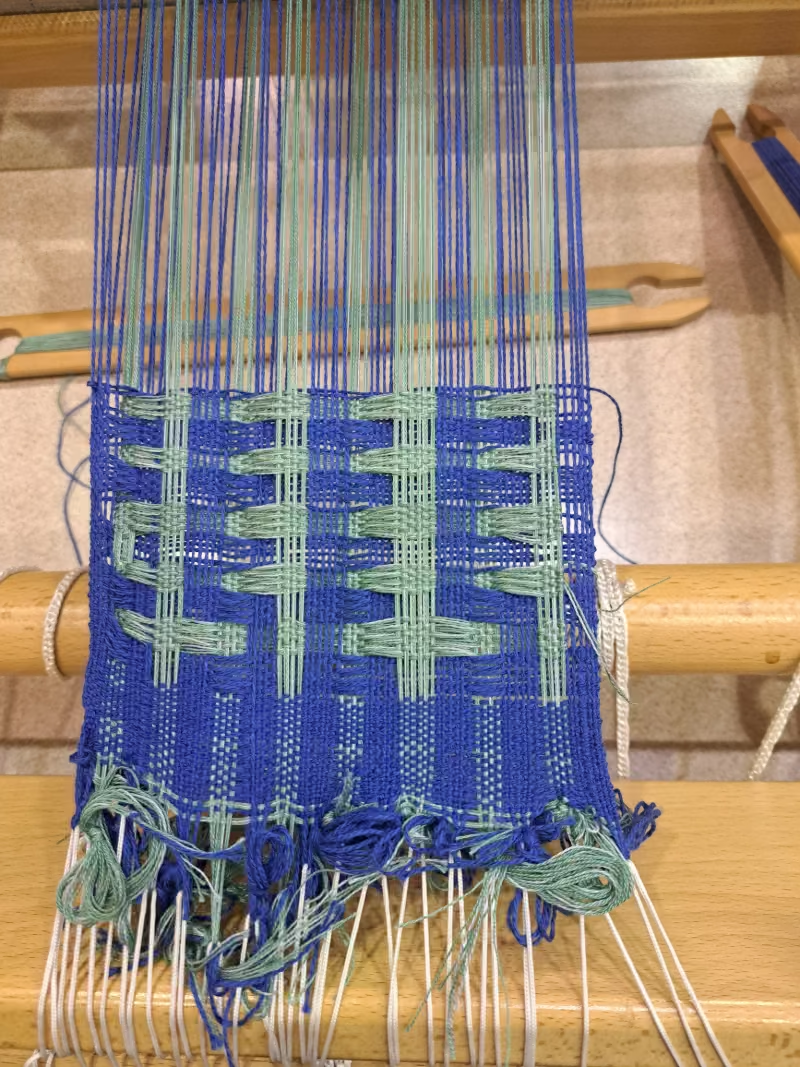
I'm quite pleased with the start of it! The pattern is already beginning to emerge, and I can see how the deflected layers create that distinctive, complex-looking design.
Exploring Different Lifting Orders
As the weaving progressed, I experimented with different lifting orders to see how they affect the pattern. The first sample shows the lifting order alternating every other line for the first ten rows, then every other 2 lines for the next 5 rows. You can clearly see how changing the lifting sequence creates a different rhythm in the pattern.
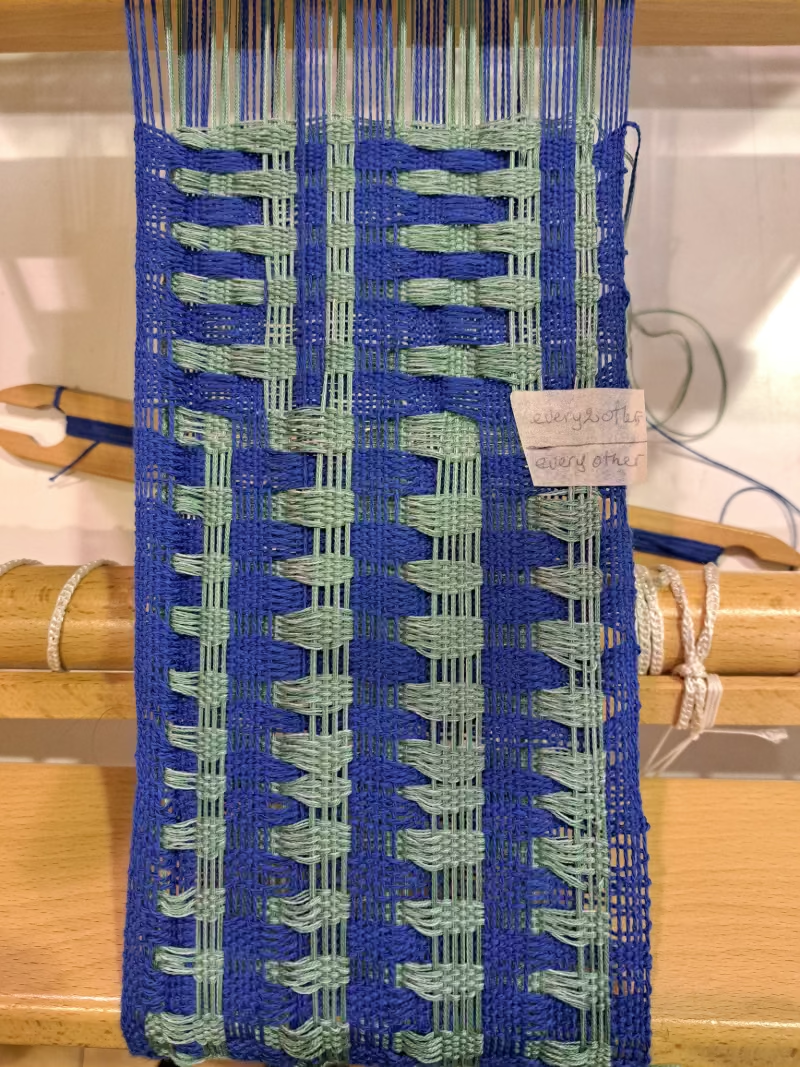
Pick-Up Stick Lifting 1-3-6-8
Here is the sample with the pick-up stick lifting 1-3-6-8, shown flat so we can see the difference in pattern compared to the other liftings. Laying the work flat really highlights how the deflected layers interact and how each lifting order produces its own distinctive design.
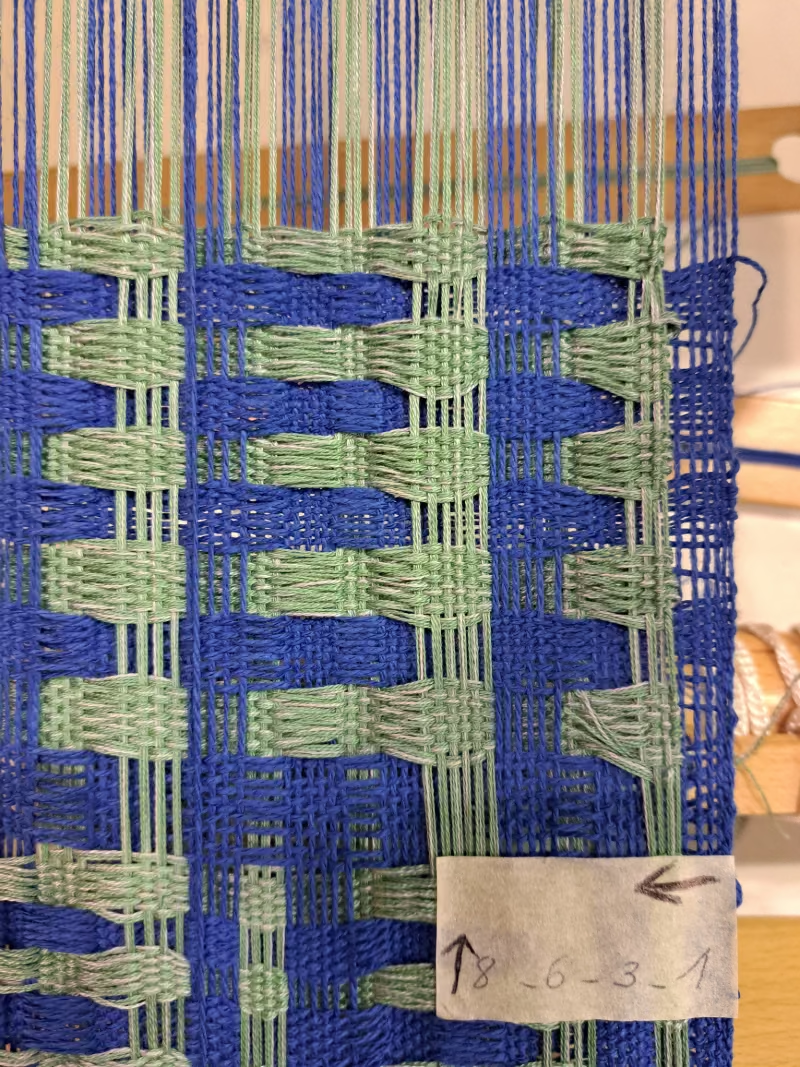
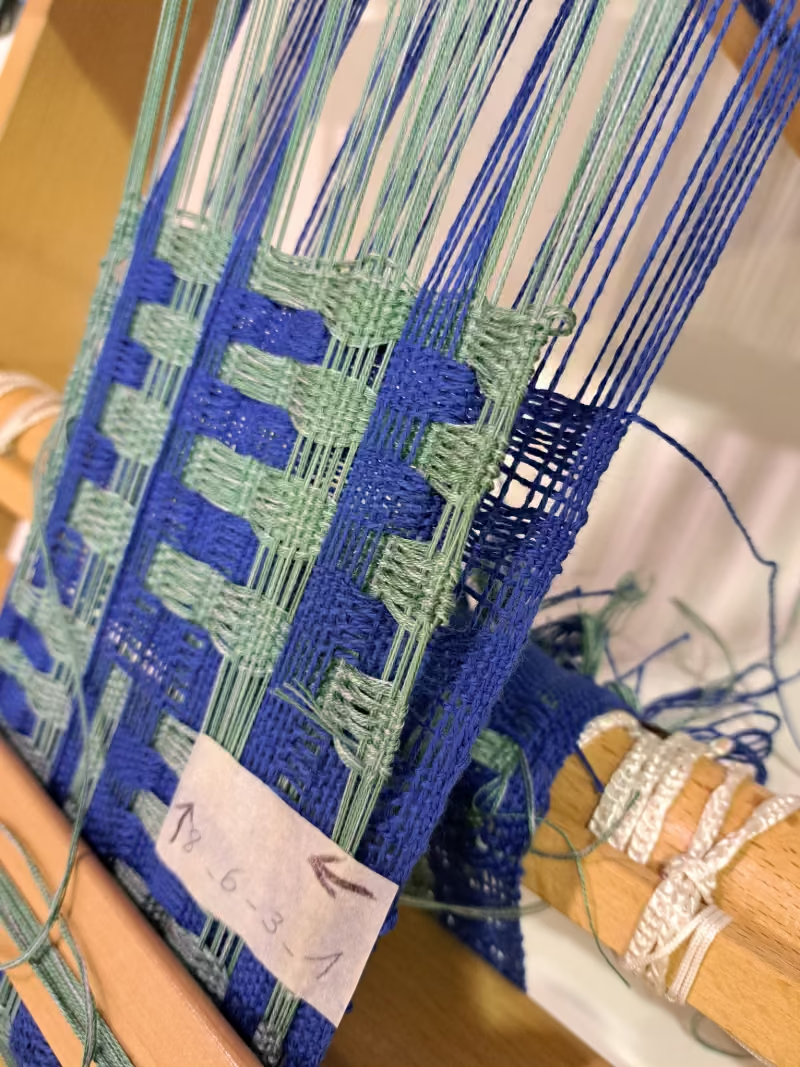
Finally, this is the Deflected Double Weave with the pick-up stick lifting 1-3-6-8, showing the opening on the side. This view reveals how the two cloth layers separate and deflect into each other to create the pattern.
Tips for Weaving Deflected Double Weave
- Calculate your EPI carefully - Wrapping yarn around a card is a simple but essential technique
- Adjust yarn weights - Don't be afraid to double or triple thinner yarns
- Use the pick-up stick consistently - The pattern depends on accurate placement
- Take your time with the threading - Mistakes in the heddles will show in the final piece
Learning new weaving techniques is one of the joys of this craft. Each pattern teaches me something new about how yarn behaves and how cloth is constructed.
What I'm Aiming For
These are the multicoloured samples I made on the weaving course. This is what I am aiming to achieve, but with only two colours for a start.
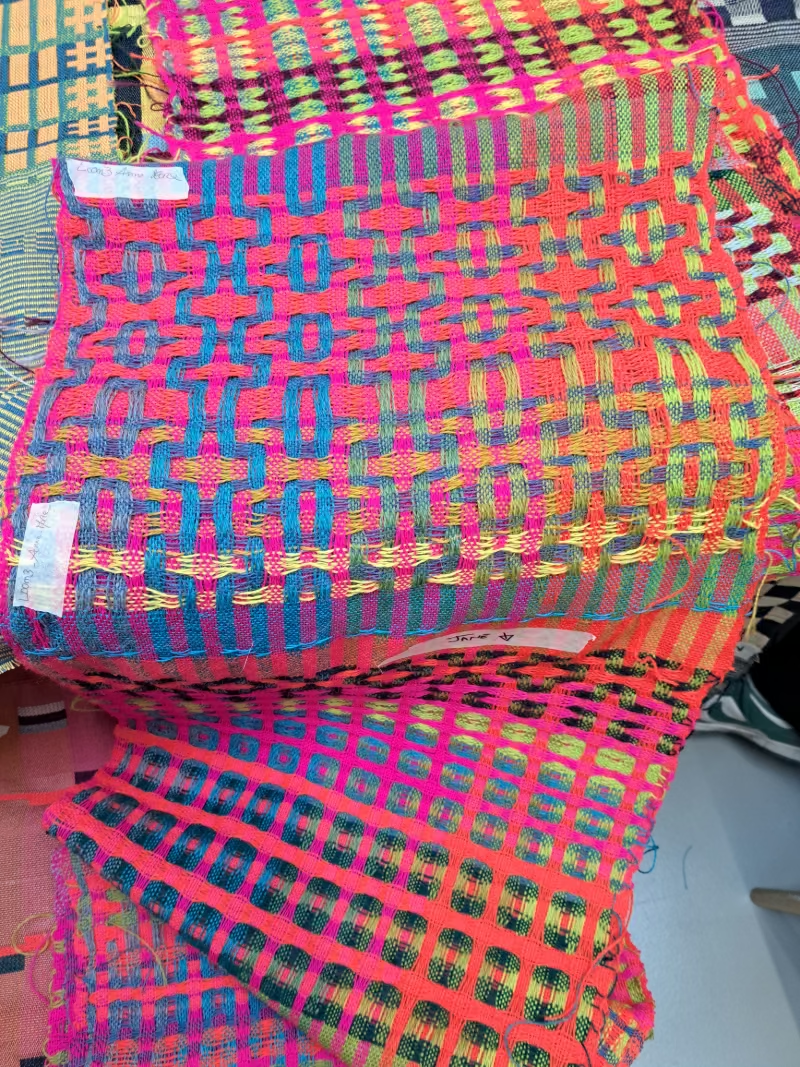
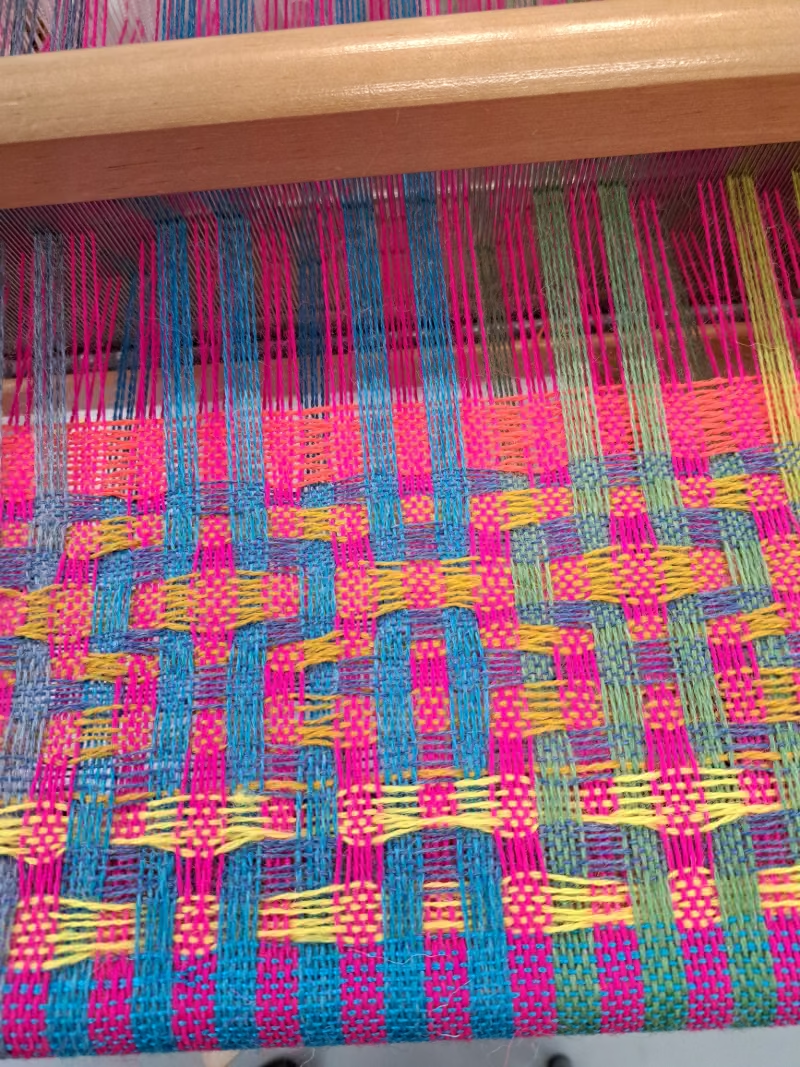
Once I have the technique mastered, I plan to use three or more colours. For now, I am sticking to two colours because the warping is not straightforward yet!
If you'd like to see my finished Deflected Double Weave pieces in person, find out where you can meet me at upcoming craft fairs.